Click on these buttons to see what your support could do.
£900 —would cover a teacher’s salary for an entire year at the Grambangla school.
£1,340 —would provide a full year of essential classroom resources, including notebooks, chalk and sports materials for 150 children of waste-pickers.
£1,909 — would sponsor 10 children from the waste-picker community with all-encompassing support, including a full year of education, access to healthcare and daily hot meals
£2,070 — would allow us to scale foundational school access across India, Nepal and Bangladesh, providing life-changing education for 100 children
£5,010 —would sponsor a full year of education for 370 girls in rural Maharashtra.
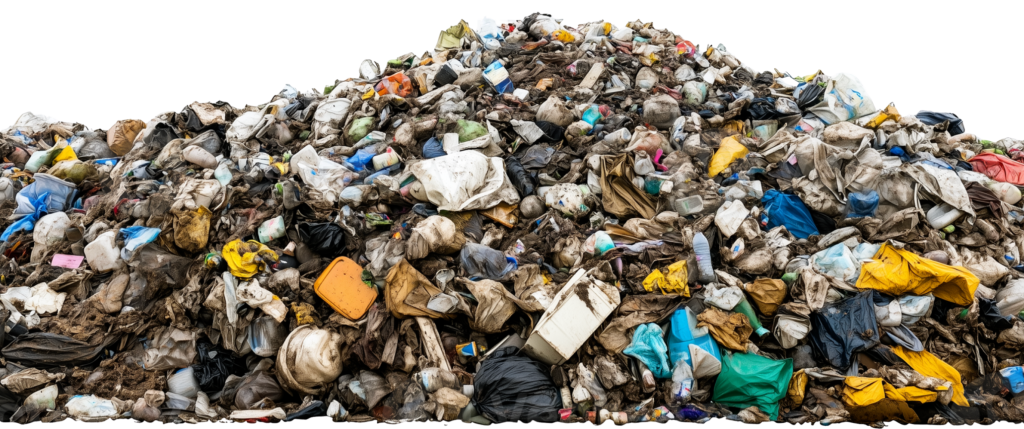
Hazardous Work: Several thousand families live on or beside the Matuail landfill, making their living from what the rest of the city throws away. Waste pickers sort through the rubbish by hand, pulling out plastic, metal and glass to sell on. It is dangerous, unprotected work done among sharp metal, medical waste and toxic fumes.
Extreme Poverty: Most waste pickers arrived in the city with nothing. The dumpsite is the only place that offers both space to live and a means to survive.
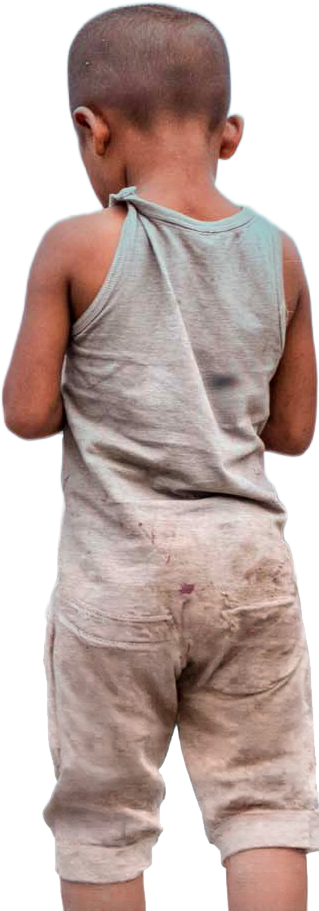
Stolen Childhoods: Located on the outskirts of the city, there are no schools nearby. Even when schools are available, hidden costs for books, uniforms or food are a luxury these struggling households cannot afford. When adults cannot earn enough, children are pulled out of education and onto the waste site to work alongside their parents.
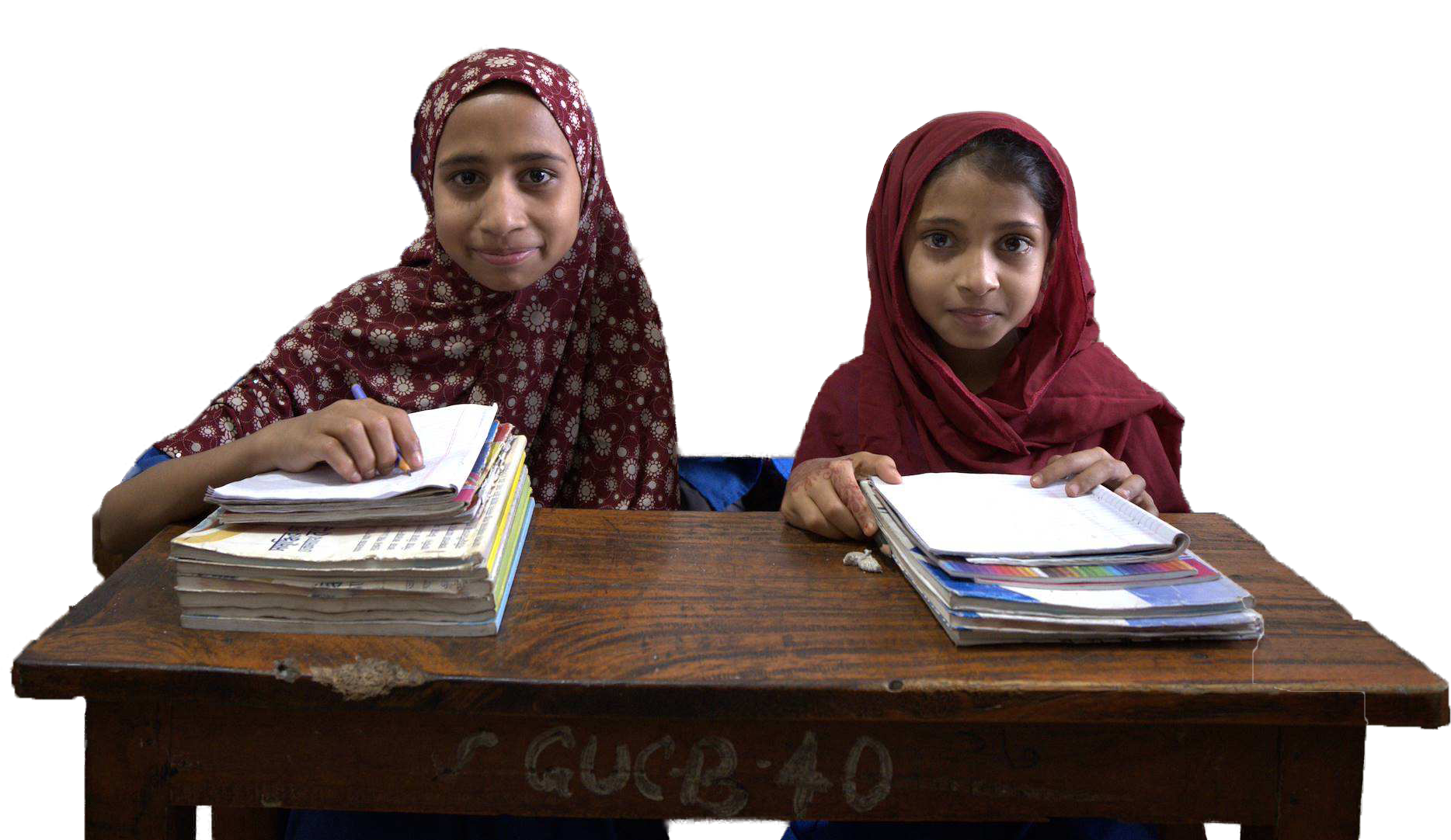
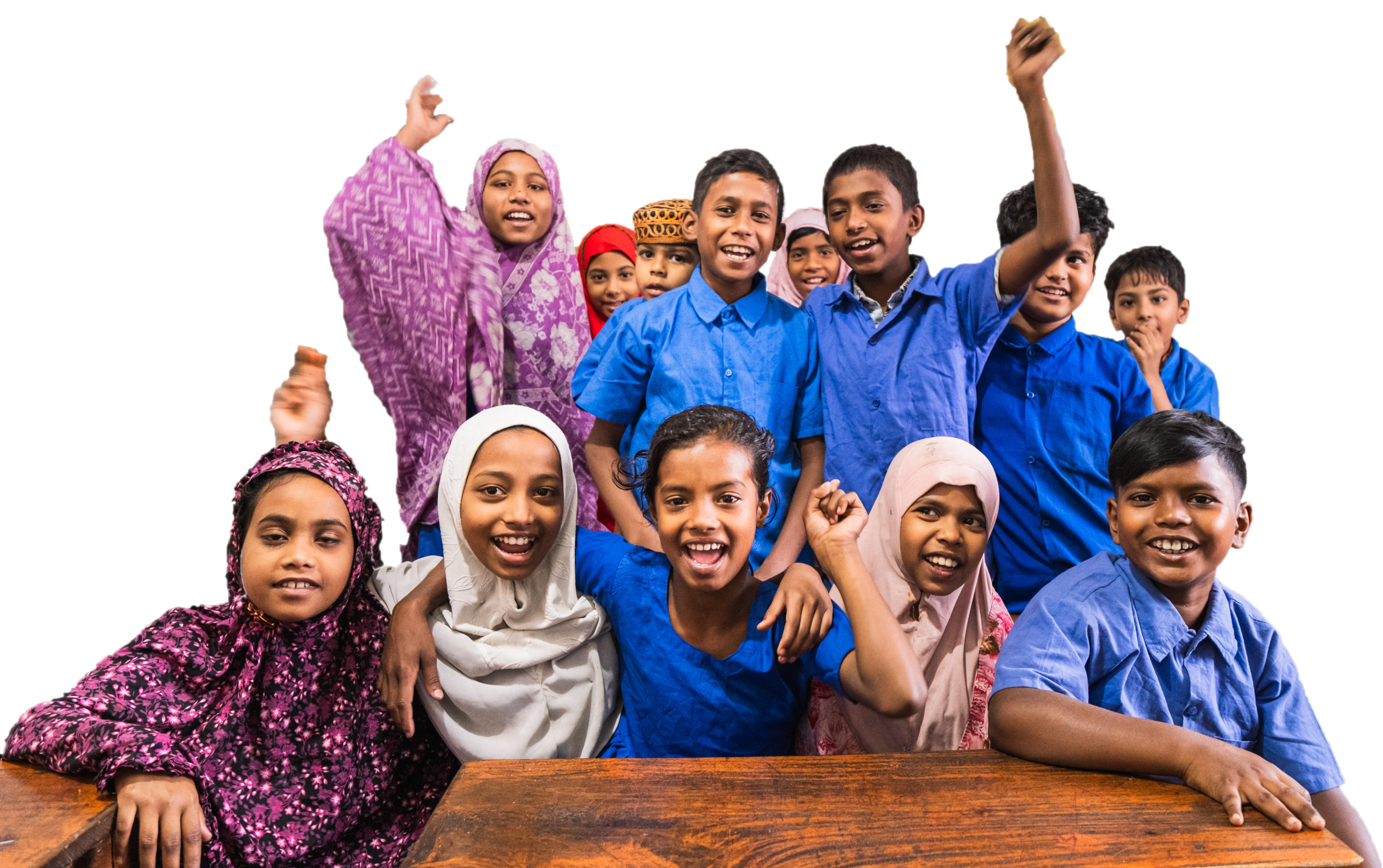
Through our grassroots partner Grambangla, we run a primary education centre close enough to the Matuail site that children can walk there safely. It removes every financial barrier to education so parents never have to choose between feeding their children and sending them to school. It is a direct, practical solution that keeps children out of hazardous labour and is an example of the kind of work Karuna and our donors support.
The Grambangla school provides:
High-quality, free tuition
School uniforms, books and stationery
Two hot nutritious meals a day
A safe, protective daytime
environment while parents work
Bithi & Sadia’s Story
Even after nine years working at the landfill, Bithi still isn’t used to the smell. Each morning, she sifts through mountains of new rubbish with her bare hands. ”You don’t have to be there to imagine it,” she says. “You already know how terrible the stench must be.”
That’s just the beginning. There are also the constant headaches from toxic refuse, hands covered in fresh cuts and the daily danger of dodging huge processing trucks. In a good month, Bithi might earn just enough for her family to survive.
But despite the conditions, Bithi is smiling. “My mind is completely at ease,” she explains.
Her daughter, Sadia, attends the nearby school run by Grambangla. Bithi always knew education was the key to giving Sadia a voice in society, but hidden costs at other schools were paralysing.
“The stress used to be constant. I would be trapped in loops of worry over whether my child was getting food,” Bithi recalls. At the time, even a pen costing 10 takas (about 6 pence) was unaffordable. “I would panic about whether I could afford it. We simply don’t have that kind of money.” Worse, the environment at her previous school was unsafe and Sadia was frequently beaten by staff.
When Sadia moved to the Grambangla school, everything changed.
The centre sits close enough that Sadia can walk safely. Tuition is completely free. So are the uniforms she gets each year, the two hot meals a day and the books and stationery Bithi used to lie awake budgeting for. Sadia is now learning computer skills alongside her lessons and is preparing to move to secondary school.
“It fills my heart with joy when I hear that she is studying well,” Bithi says. “The daily worries… all gone. My mind is completely at ease.”
THE RESULTS
When a supporter invests in this project and others like it, the return transforms the whole family. Providing completely free, accessible schooling does more than teach a child to read—it gives parents the peace of mind to work safely, relieves them of crippling financial anxiety and breaks the generational cycle of hazardous labour.
OUR IMPACT LAST YEAR
children supported through the Grambangla school project.
0
children of waste pickers successfully reintegrated into mainstream schools.
0
reported new cases of child labour or child marriage among enrolled students.